C A V Part 1, 2 and 3
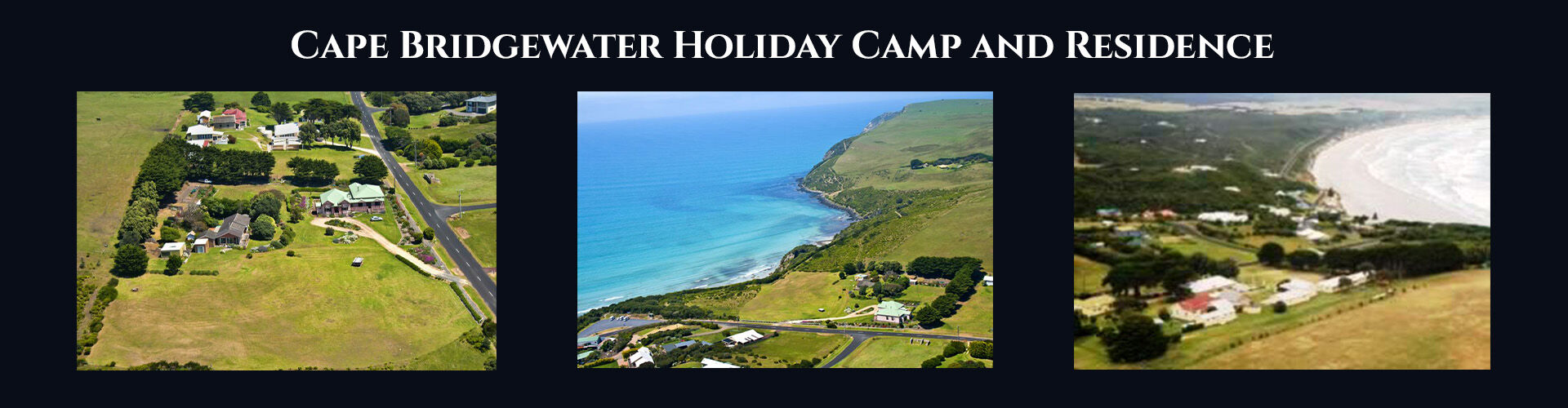
My story starts in 1987 when I decided my life at sea, where I had spent the previous 20 years, was over. I wanted a new land-based occupation to see me through to my retirement years and beyond. Of all the places in the world I had visited, I chose south west Victoria, Australia.
My business is hospitality, and I had always dreamed of running a holiday camp. Imagine my delight when I saw the Cape Bridgewater Holiday Camp and Convention Centre advertised for sale in The Age newspaper. It was located in rural Victoria, near the small maritime port of Portland. Everything seemed perfect. I performed my due diligence to ensure that the business was sound: or at least, all of the due diligence I was aware I needed to perform. Who would have guessed that I had to check whether the phones worked? Within a week of taking over the business, I knew I had a problem. I was hearing from customers and suppliers alike that they had tried to call and couldn’t get through to me.
Yes, that’s right. I had a business to run and a phone service that was, at best, unreliable, and at worst, just not there at all. Of course, we lost business as a result. And so, my saga began as I set out on a quest to get a working phone at the property. Along the way, I received some compensation for business losses and many promises that the problem was now resolved. It was still NOT resolved seven years after I went into arbitration with Telstra. I sold the business in 2002 and the subsequent owners suffered a similar fate to me.
Other independent business people, similarly affected by poor telecommunications, have joined me on my journey. We are known as the Casualties of Telecom, or the COT cases. All we wanted was for Telecom/Telstra to admit to our various problems, fix them all and pay compensation for our losses. A working phone: is that too much to ask?
We initially asked for a full Senate investigation into Telecom in general and these issues in particular. We were offered an alternative: an arbitration process. At this early stage, we honestly expected the technical problems preventing our phones from working to be resolved.
No such luck. Suspicions that something was not quite right about the arbitration process began almost immediately. We were promised that the Telecom documents we needed to support our claims would be made available to us if we entered into arbitration. Despite that promise, those documents were never made available, and we still do not have them. An arbitration process might be our only chance of justice; of course, in a democracy like Australia, we could rely upon the arbitrator… or so we thought.

Consumer Affairs Victoria Report Introduction
Learn about the criminal conduct, unscrupulous public servants, corrupt politicians and the lawyers who control the legal profession in Australia. Rdad about corruption in government. Read my book Warts and all.

Chapter 1 concealment and forged evidence
The criminal conduct, unscrupulous public servants, and corrupt politicians and the lawyers who control the legal profession in Australia are destroying the legal process of arbitration. Read about corruption in government. Read my book, My story Warts and all
Chapter 2 - Freehill Hollingdale & Page, AUSTEL and Telstra
Legal Abuse in arbitration and exposing crime and corruption within those arbitrations has been a costly process. Heinous, scandalous vile and mischievous crimes were committed by those who controlled the arbitrations. Absent Justice.com is about exposing this corruption.
Chapter 3 - A Corrupt Settlement Proposal
Legal Abuse in arbitration and exposing crime and corruption within those arbitrations has been a costly process. Heinous, scandalous vile and mischievous crimes were committed by those who controlled the arbitrations. Absent Justice.com is about exposing this corruption.
Chapter 4 - Fast Track Arbitration Procedure
Legal Abuse in arbitration and exposing crime and corruption within those arbitrations has been a costly process. Heinous, scandalous vile and mischievous crimes were committed by those who controlled the arbitrations. Absent Justice.com is about exposing this corruption.
Chapter 5 - Who benefited from exonerating FHCA, DMR and Special Counsel?
Legal abuse in arbitration and the exposure of crime and corruption within those arbitrations have been costly. Heinous, scandalous vile and mischievous crimes were committed by those who controlled the arbitrations. Absent Justice.com is about exposing this corruption.
Chapter 6 - Julian Assange - Hacking - 3
The COT stories are real-life crime dramas conducted by unscrupulous and evil government bureaucrats whose sole aim is to destroy the credibility of any claimant who entered the government endorsed arbitrations. Heinous, scandalous vile and mischievous crimes were committed by those who control
Chapter 7 - Faxing Problems Continue
The COT stories are real-life crime dramas conducted by unscrupulous and evil government bureaucrats whose sole aim is to destroy the credibility of any claimant who entered the government endorsed arbitrations. Heinous, scandalous vile and mischievous crimes were committed by those who control
Chapter 8 - Threats from a Senator
Check out our bribery and Corruption storries part 1 and Corruption part 2. Deception, fraudulent conduct and thuggery are criminal legal abuse that can no longer be tolerated. Read about the worse type of unscrupulous and treacherous evilness.